Showing posts with label Food Preservation. Show all posts

Friday, November 1, 2024

Perfectly imperfect produce: How reducing food waste keeps the grocery bill down!

Growing up, I wasn’t sure what November was good for. Now I do. I’m cozied up in my favourite chair by the fire, listening to rain gush down the spouts while soggy Halloween decorations whip around in the wind outside. 

November is the time to hunker down and line our nests with warmth, softness and comfort. I think of it as the human version of hibernation—a month to rest, recharge, and embrace cozt things. Tonight, I’ve decided is chicken soup, biscuits, and apple crumble night.

Speaking of apples, I’ve got about sixty pounds of “seconds” sitting in the carport. Seconds are the apples farmers can’t sell because they’re a bit too bruised or funey-looking. I found a spot where they sell these bumped and bruised beauties in bulk for about sixty cents a pound. Late tonight, I’ll haul out my trusty apple corer/peeler, prop up my iPad for a good sitcom binge, and get to work. Half the apples will be sliced, tossed with lemon juice, and frozen in ziplock bags—perfect for quick crumbles or pies all year long. I’ll also pop about twenty pounds into the dehydrator for apple chips, a family favourite snack.

The rest? We’ll just eat fresh, because “ugly” produce is still delicious. This practice of using “ugly produce” is called food rescuing, and it’s amazing. Around twenty-five percent of fresh produce never even makes it to the consumer, often being tossed because of being over-ripe, damaged or marred. Food waste contributes about ten percent of Canada’s greenhouse gas emissions. Food rescuing saves our family money, gives us an abundance of healthy snacks, and reduces the amount of harmful methane gas created in our landfills.

Even if you don’t have the space or time to buy in bulk and practice food preservation, it’s worthwhile to connect with farmer’s markets, local farms, small grocers and even some food delivery apps that offer “seconds” on produce. I recommend building personal connections in this area. Taking a moment to talk with shop employees, or the person behind the till may lead you to some yummy tips about where you may be able to score some tasty discounts. 

November is about comfort and care, it’s also about thankful harvesting, even the funny-looking stuff.

Cheers to a cozy season!


Links to know more:

https://www.secondharvest.ca/resources/research/avoidable-crisis

https://www.recyclingproductnews.com/article/28299/national-zero-waste-council-announces-strategy-to-cut-canadas-food-waste-in-half

http://www.nzwc.ca/focus-areas/food/Pages/default.aspx 


Sunday, October 10, 2021

Dreamscapes

https://unsplash.com/photos/sJGvoX_eVhw?utm_source=unsplash&utm_medium=referral&utm_content=creditShareLink


In my dreams, my family owns a house. The house stands upon the top of a grassy hill like a great wooden ship cresting a wave. The sea is the dreary and complex city pressing up against the hill on all sides, held at bay by a great tall white wall.

This is the home that no one else wanted. When we found it, it had been the ancient squat of a mad hoarder, with piles of garbage up to our necks in every room.

But we loved it. We bought it and began to clean it. As we cleaned, we discovered that beneath the garbage was a vast and dazzling collection of fantastic items from across the entire world. Each room on the second and third floors of this house is dedicated to a different collection.

The home in my dreams is full of wonders. Everything is made of polished gleaming wood. The bay windows in the dining room take the space of an entire wall and somehow always look out onto an endless misty moor. There is always something to repair in this home, and there is always another nook to discover. Usually, these nooks are small sunny spots filled with pillows and books.

The basement of the house is frightening and fascinating. It is the only place in the home that defies order, no matter how hard my lucid dreaming self tries to repair and clear it. The basement is always dimly lit with a maze of ancient clothes from across time hanging on racks. The clothes are beautiful and delicate, and yet they fit poorly and always smell bad. The clothes are the happiest staying where they are.

The basement floor is wet. Beyond the clothes, there is a mountain of rusted and tangled sports equipment, like a hedge of thorns.

If you can make it past the broken sports equipment, you come to a place where you see that the home's foundation is cracked. Above the cracked foundation, there is a large hole rotten through the wooden wall. This hole refuses to be repaired, no matter how I try, and it fills me with unease. I must face the fact that one day my dreams will crumble, and the house will collapse. And maybe we were fools to have bought this home at all.

The hole weeps like an open wound, and it reminds me of the heel of Achilles. Wild dogs, spiders, and raccoons come into the basement through the hole and make nests in the ancient clothes. 

I flee back up to the dining room and try not to think of the hole.

There is a secret elevator in the house. It took some time to find it, and it doesn't always work. But if you can get over the fear of cramped spaces and the possibility that the elevator might get stuck and trap you forever between the house's walls, you can take the elevator to the very secret top floor. 

When you step out of the elevator, you see that half of the top floor opens to a wild alpine rooftop garden. The other half of the secret top floor is cool, white, and metallic. There is a futuristic command interface inside of an egg-shaped room. This room looks like the bridge of a battleship with a large screen and a wide control panel. This is where the greatest secret lies. My wonderful house on the hill doesn't just look like a ship; it IS a ship, controlled by science and magic and a benevolent AI personality.

All you have to do is say the word, and the city around you grows liquid. The house turns into a mighty ship and sails through the world's landscapes as if they were water. You can go anywhere, have any adventure and sometimes even lift up off the earth and sail through the sunrise.

I return to this magical home many nights while I sleep, and the dream builds and shifts. There is a trapdoor leading to a secret underground world. There is a train that circles the base and never lets you leave. There is a room where you can learn magic as long as you never tell anyone else where it is. And gargles. There are gargoyles on the chimney tops...

But I have spent too long in bed. There are chores to be done and people to greet.


"The woods are lovely, dark and deep,   

But I have promises to keep,   

And miles to go before I sleep..."


Sweet dreams.


:)


Tuesday, March 9, 2021

How to make wine from backyard grapes

My Backyard Garden Grape Wine Recipe and Method


I've got this old garden grapevine in my backyard. It's massive, and it comes with a family of cute raccoons every summer. I usually harvest AT least 100lbs of green grapes each year. So what's a girl to do but make wine? It took me a bit to figure out my technique, so I'd thought I'd record what I've learned and share it with you! Just in case... you know... you also have way too many grapes in your backyard. :)


Ingredients

  • 20 L of grape juice (100lbs of crushed and destemmed grapes) 
  • 1 packet of wine yeast (this is what you need to start a yeast colony for up to 5 gallons of wine, even if you are making less!) 
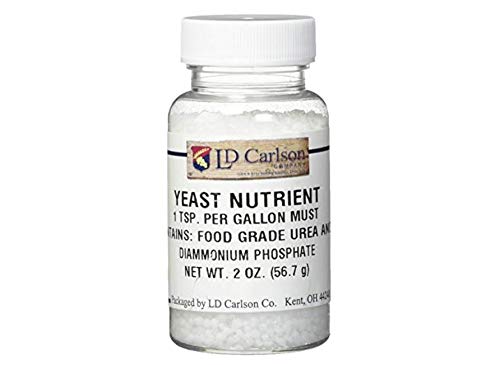
  • Yeast nutrient (1 tsp./ gallon) 
  • Sugar 
  • Campden tablets (10) 

Equipment 

  • Five+ gallon bucket 
  • Carboy 
  • Airlock 
  • Big long spoon 
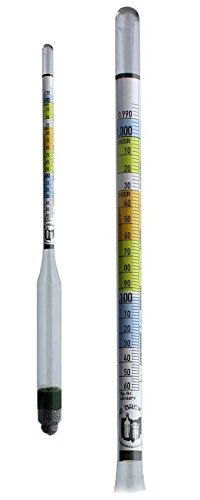
  • Hydrometer
  • Siphon hose 
  • 24 wine bottles bottles 
  • Corks 
  • Corker 
  • Sanitizing solution (I use Aseptox)
  • Mask
  •  *A friendly relationship with a local brewing store. I'd like to send hugs to Von Euw Brew for equipment and advice. All my equipment images do have Amazon links, but honestly, you'll save money and build great relationships if you shop local!

Method

Sanitize 

Fill a tub up with your sanitizing solution and immerse all equipment needed. Rinse well with hot water. Do this before each step. 

Prepare Fruit/Sterilize Must 

Destem and crush grapes to release juice. Fill your 5-gallon bucket. It's OK to leave the skins in the juice if you've got the room. This juice/skin mixture is called must

Put on a dust mask.

Crush up 5 Campden tablets and mix into juice. Wear your mask because the powder and the gas that is released during this process is a respiratory irritant (it can chemically burn the back of your throat). However, the Campden tablets kill off wild yeasts and bacteria, making the fermentation process safer for an amateur like me. 

Mix. 

Allow the must to rest for 24 hours. Cover your bucket with a loose lid or a clean towel to prevent flies from getting in but allowing carbon dioxide to escape. 


Adjust Sugar Levels

(to determine the alcohol level of your finished wine)

Check the sugar levels of your must with a hydrometer. The amount of sugar in your must will translate to how much alcohol there is in your finished wine. Drop the hydrometer into your must. The hydrometer will show you how much sugar is in the juice mixture by the way it floats. The higher it bobs, the more sugar there is in the must. This unit of measurement is called Specific Gravity (SG)

The sugar in your wine is digested by the yeast and converted to alcohol through the wine-making process. Your wine is finished when the hydrometer sinks deep into the wine and measures a low SG level of 0.99

To increase the Specific Gravity of your grape must, I just read that 1.5 cups of sugar added to 5 gallons increases the Specific Gravity .005 units. Honestly, I just make a generous batch of sugar water and added it slowly, mixing the sugar in and measuring the must with my hydrometer as I go. Be sure to completely dissolve your sugar in warm water before adding it to the must. 

To lower the Specific Gravity, add water. 

***Too much sugar can be a problem. You should look for a reading between 1.07 and 1.09 units of Specific Gravity. This will give you a wine between 10 and 13 percent alcohol. If you add too much sugar, the yeast will stop fermenting before the wine is finished. 


Add Yeast Nutrient

Once you're happy with the amount of sugar in your grape must add some yeast nutrient by stirring it directly into the must until completely dissolved. Yeast nutrients are a mix of yummy minerals and vitamins to feed and boost your yeast colony. Add 1 teaspoon per gallon. 

Yeast Nutrient can also be added later to wine for stuck fermentation if your growing colony stops fermenting.


Add Yeast


Sprinkle 1 packet of yeast over the surface of the must. Don't stir. 


Primary Fermentation 

Cover the bucket with a loose lid or towel. Now sit back and watch your new yeast colony grow across the top of the wine. After about 12 hours, you'll see a heavy, frothy cap form over the juice. 

Stir (punch down) this cap into the must whenever the cap forms (every 12 to 24 hours). 

You also need to keep your fermenting grape must in a place where the temperature is around 21 degrees Celsius. 

 After 5 days, take a reading with your hydrometer. Primary fermentation is complete when your hydrometer reads about 1.03 Specific Gravity. 

 Even if fermentation isn't done, don't leave the wine to sit any longer than 7 days. Otherwise, your new wine may start to develop some "off" flavours from the decaying grape skins/fruit sediment. 


Siphon Wine into a Carboy


Now it's time to transfer your new wine from the bucket and into a carboy. A carboy is shaped like a giant wine bottle and is made from glass or plastic. Sterilize everything the wine will touch. This process of siphoning wine from one container to another is called "racking off." 

How to siphon ðŸ˜‰ 

Take the vessel containing the wine with the sediment, open it up, and then place it up on a raised surface. The process involves gravity, so the full container of wine must be higher than the tallest portion of the clean bucket/carboy/bottle you're going to use to catch the wine. 

Insert the siphon hose into your wine bucket, making sure to not touch the sediment lying on the bottom. You should be able to clearly see the line of sediment by the time you're ready to rack the wine. 

Start sucking on the other end of the tube as if you're drinking from a straw until the wine begins to flow. Then move the tube into your sanitized carboy/bottle/bucket as quickly as possible. Try not to let the wine splash around too much. You want to try to minimize the amount of oxygen that mixes with your wine. 

Keep a close eye on the sediment, making sure you don't stir it up. Once your container becomes full, or sediment begins to flow, clamp the hose to halt the wine's flow. 

Toss the grape skins and sediment from primary fermentation in your compost.

*Bonus step: Sample your homemade brew of Federweisser

Your wine is at this point sweet, frizzy and contains about 9% alcohol. Federweisser is a special treat because, due to the amount of C02 still being produced, it's impossible to bottle. 

But be careful! I've heard this drink referred to as "Witch's Brew," and for a good reason! Federweisser is sweet and fun, and the lightness makes it easy to drink, but be sure to sip it slowly and moderately. Otherwise, the carbon dioxide/high alcohol content sets even a high-tolerance drinker up for a murder hangover. It can also be a little rough on the stomach. 

You've been warned! 


Seal off your wine with an airlock.

An airlock has a valve that stops oxygen from getting into the wine but allows carbon dioxide to escape. Watching the small C02 bubbles form and burst in the airlock can also give you a clue about whether your wine is still fermenting or not. 

Secondary Fermentation 


Let your wine ferment dry 0.99 and 0.98 on your Specific Gravity Scale. This step takes a couple weeks. 

It's essential to keep an eye on the temperature of the room. If the wine gets too cold, the yeast will stop fermenting the sugar. If the room is too hot, you may pick up some strange flavours. 

Sweeten to taste (if you want!)

This step is called back-sweetening.

Rack (siphon) your wine back into your big bucket and add potassium sorbate (1/2 tsp. per gallon). Potassium Sorbate stops the yeast from multiplying again once you add sugar back into the wine. 

Make a simple syrup by boiling 1 cup of water with 2 cups of sugar and cool. Set some wine aside to taste test what percentage of syrup you want to add to the wine (ex. 1-4%). 

Be conservative when adding sugar to the batch. Wine sweetness builds up after several glasses. 

Add your desired amount of sugar into the wine and mix well. 

Sterilize Wine

Crush up 5 more Campden tablets and mix them into your wine. Don't forget to wear a mask! This will preserve and sterilize your finished product. 

Settle for clarification 

Rack your wine back into a sterilized carboy and pop the airlock back on. Now leave the wine alone for at least ten more days to allow the last wine sediment/dead yeast cells to fall to the bottom. 

Once you're happy with the clarity of your wine, get ready to bottle! 

Bottle

Make sure you have about 24 sterilized wine bottles, 30 new corks, and a sturdy corker. 

I recommend calling around and renting a wine floor corker from a brewing supply store. These corkers make the process fast and easy. They are also heavy-duty enough that you don't need to mess around with soaking the corks or anything. Just pop the corks in the top compressor and pull the handle.

Siphon your wine into bottles to the base of the wine bottle neck. 

Cork 

Slap on silly labels. 

Voila! Homemade wine!


Comments: Wine techniques and recipes vary a lot. No, it's not organic. No, it's not wild yeast. No, it's not a premium variety. 😂 I put this method down because it's what I wish I had when I began: a simple method to build from. 

It is, however, your responsibility to determine the value and safety of the preparation instructions. I do not assume any liability for adverse reactions to food consumed. Recipes taken from this blog and prepared are done so “at your own risk.” You should seek advice before beginning if you are unsure of the recipe or your skills.

With love,

Charity

Friday, August 25, 2017

Circles

Some self reflection, inspired and encouraged by my mother-in-law. Who says I absolutely need to blog more.

No... (thanks for asking :) ) I haven't been writing much* lately.

Because...

Life moves in circles. Not a straight line.

Or at least it does for me.

You see, I've always pushed myself to produce. I've always felt that my self-worth is tied directly to productivity, to the number of words I punch out on a keyboard every day.

But I'm starting to figure out that maybe, I'm not built that way. My creative outlets and habits circle. The needs of the people I love ebb and flow. It's taken me a long time to admit it, but for me, at this point in my life, fighting to finish that article or next book at all costs feels like fighting against the tide.

The critic in me screams that letting myself enjoy interests other than writing is an excuse; that I'm just putting off getting that next big important writing project done.

The ambitious part of me worries that by listening to the needs of others, or to my own self-care needs, I will be distracted from my dream of one day being an established middle-market author.

But, praise God, I've lived long enough to know that these things are not true. I have proven to myself that I have the patience and tenacity to complete large projects (and do them well) even when they take years. If I could give advice to my younger self, I would tell her to stop fretting so much about "making it" (I believe achieving goals is important, but it is secondary to a life well-lived).

I would tell her to listen to the rhythm of her own creativity. To not think of painting or cooking as a distraction from "real" goals, but to embrace the many pieces of her that make a complete whole.

I would tell her that it's hard to write during canning season.

:)

...

Some of my current and recent summer projects, because I am not, sadly, simply a writing machine:


Pickles, salsa, ketchup, jellies and jam!


Garden grape mint jelly. From my garden, a Christmas favourite.


Some colouring, because it's fun. :)


Crocheted granny square baby blanket. I'm going to be an auntie!


Recycled denim shag rug. To curl on in front of the fire with my little girls, come storm season. <3

*of course I am still writing! That will never go away. :)