Sunday, January 26, 2025

Escape Burnout: Your Guide to a Restorative Care Day

You need a day off. I don't care how busy you are or how many tasks have piled up; in our fast-paced world, burnout is a real threat. But what if I told you that regular "restorative care" days could actually increase your productivity, improve your mood, and strengthen your relationships? It's time to enjoy a day off and be a better version of yourself. What's not to love?

Ideally, Restorative Care Days would happen for me every two weeks. In practice, I take them about once a month or when I feel a crash coming. Don't push through days of high anxiety and potential burnout. Hit the pause button and take a "sick day."

Restorative Care vs. Rest & Relaxation

For me, a Restorative Care Day is different from a day of rest/indulgence. Those days are also important, but restorative care involves intention and mindfulness. If you've been neglecting your rest, nutrition, and other fundamentals of self-care, you'll need more than a day to truly feel refreshed and ready for work again. A mental health care provider can also be a powerful ally to help clear your mind and lessen anxiety.

My Method for a Restorative Care Day

These steps are not necessarily done in order but mixed and matched throughout the day.

Body

Without the needs of my body sorted out, it's hard to find the resources to care for my mental health. I recommend not drinking alcohol the night before, going to bed on time, and waking up after you snag that magical 8 hours of sleep. Remember to incorporate movement, hydration, and nutrition throughout the day.

Glow Up:

Nothing feels like a new start more than a fresh look. It's easy to neglect self-care during the hibernating months of winter, but a shave and a trimmed haircut can really elevate your appearance and your mood. I cut my own short hair, but I know this isn't the norm for most. A hydrating hair mask might be a good substitute. I also love a good DIY spa session. I enjoy watching 90's sitcoms while doing a DIY manicure or pedicure. A nice mud mask and rich moisturizer for my poor winter skin is wonderful. My mood is always elevated when I feel clean and look sharp.

Mind

True rejuvenation goes beyond the physical. Dedicating time to "mind care" during a Restorative Care Day is essential.

Declutter Your Mind: 

I begin by writing down every "to-do" rattling in my head, big or small. This helps me externalize my thoughts and gain clarity. I even write down tasks that start with the phrase "think about…". For instance, "think about how I'm going to make ride-sharing work on Mondays" rather than "reschedule ride-sharing." Some tasks need a plan before they can be done. I've found that planning how to do a task is a task itself. I then ruthlessly cross off anything in the "wish I could" category, delegate what I can, and break big tasks into smaller, more manageable pieces.

Schedule with Intention: 

I grab my calendar, colorful markers, and stickers (to make it fun) and schedule 1-2 tasks per day for the next two weeks, prioritizing time-sensitive items. I also block off a future date for another Restorative Care Day – a reward for completing my tasks.

Soul

With my mind cleaned out, my body refreshed, and a cup of hot tea at my elbow, it's time to be vulnerable. It's time to feel my feelings.

Screens have made it way too easy to suppress uncomfortable feelings. However, not processing information communicated through our emotions causes mental and eventually physical damage. Today, rather than pushing emotions aside, you're going to lean into them. Put your phone down. Quiet your body and pay attention to any physical sensations, such as tightness in your chest, hands, or jaw. Emotions often express themselves as bodily sensations. Don't try to fix or judge your sensations and the feelings associated with them; observe them.

 Example:

   I notice tightness in my chest and in my jaw. I don't try to fix, understand, or judge; I feel it. Today, the tension I carry feels like sadness. I work to uncover the information my emotions are trying to communicate. This can be done through drawing, music, or journaling. Sometimes, I sit in stillness, meditating on the sensations of emotion and allowing flashes of memory to flicker across my mind's eye. 

I often sense deep weariness around this time. My response to depressive feelings can be the desire to sleep away the pain. But at the same time, it's important to be mindful of my physical needs. I'll usually honor this initial sensation by acknowledging that I've been using a lot of emotional, physical, and mental energy and go take a mid-day nap. 

Afterward, with a rested brain and another short bout of movement, hydration, and nutrition, I'm ready to feel deeply again. 

This time it is easier. I sink into the sadness that I feel, words and images fade in and out of focus in my mind's eye. Some rage comes up. And then tiredness. This time, however, I know the weariness is a block that keeps me from the truth. My physical needs are met. What am I feeling? At last, the information begins to flow. The information comes as a flash of mental images. 

I feel rejection. Someone disappointed me. Someone missed meeting my expectations. I showed up like Christmas, and there was nothing under the tree. The thoughts moving through my mind are speaking in a childlike syntax. Big me, grown-up me, knows how to comfort a child. I compliment myself and write out lists of validating thoughts. I give myself a hug. It's going to be fine. I am grown, I am competent.

Your journey will take you down many paths as varied as our experiences. Some information will be too complex to process on your own, and this is where a good listener/mental health professional can help. In lieu of these guides, I recommend mental wellness books as valuable resources (Amazon Affiliate links):


 * The Wisdom of Your Body by Hilary McBride

 * It's Not Always Depression by Hilary Jacobs Hendel

 * Family Ties that Bind by Dr. Ronald W Richardson 

 * Feeling Good by David Burns MD


The road leads to self-validation, and the goal is clarity of mind.

Connect and Give Back

As you end your time of attunement and reflection, it's important to reconnect. We are creatures of community and need connection to thrive. Beyond simple connection, care, and sacrifice are key acts for inner validation and confidence. Whether volunteering, spending time with loved ones, tending to plants, or simply observing nature, connecting with the world around us brings peace and fulfillment.

In a world of anxiety and burnout, self-care is essential. However, a day of indulgence, while restful, doesn't necessarily address the underlying causes of stress. By practicing Restorative Care, we give ourselves the resilience to thrive in a world that moves dizzyingly fast.

Friday, November 1, 2024

Perfectly imperfect produce: How reducing food waste keeps the grocery bill down!

Growing up, I wasn’t sure what November was good for. Now I do. I’m cozied up in my favourite chair by the fire, listening to rain gush down the spouts while soggy Halloween decorations whip around in the wind outside. 

November is the time to hunker down and line our nests with warmth, softness and comfort. I think of it as the human version of hibernation—a month to rest, recharge, and embrace cozt things. Tonight, I’ve decided is chicken soup, biscuits, and apple crumble night.

Speaking of apples, I’ve got about sixty pounds of “seconds” sitting in the carport. Seconds are the apples farmers can’t sell because they’re a bit too bruised or funey-looking. I found a spot where they sell these bumped and bruised beauties in bulk for about sixty cents a pound. Late tonight, I’ll haul out my trusty apple corer/peeler, prop up my iPad for a good sitcom binge, and get to work. Half the apples will be sliced, tossed with lemon juice, and frozen in ziplock bags—perfect for quick crumbles or pies all year long. I’ll also pop about twenty pounds into the dehydrator for apple chips, a family favourite snack.

The rest? We’ll just eat fresh, because “ugly” produce is still delicious. This practice of using “ugly produce” is called food rescuing, and it’s amazing. Around twenty-five percent of fresh produce never even makes it to the consumer, often being tossed because of being over-ripe, damaged or marred. Food waste contributes about ten percent of Canada’s greenhouse gas emissions. Food rescuing saves our family money, gives us an abundance of healthy snacks, and reduces the amount of harmful methane gas created in our landfills.

Even if you don’t have the space or time to buy in bulk and practice food preservation, it’s worthwhile to connect with farmer’s markets, local farms, small grocers and even some food delivery apps that offer “seconds” on produce. I recommend building personal connections in this area. Taking a moment to talk with shop employees, or the person behind the till may lead you to some yummy tips about where you may be able to score some tasty discounts. 

November is about comfort and care, it’s also about thankful harvesting, even the funny-looking stuff.

Cheers to a cozy season!


Links to know more:

https://www.secondharvest.ca/resources/research/avoidable-crisis

https://www.recyclingproductnews.com/article/28299/national-zero-waste-council-announces-strategy-to-cut-canadas-food-waste-in-half

http://www.nzwc.ca/focus-areas/food/Pages/default.aspx 


Thursday, January 4, 2024

Unleashing Creativity: Embracing Mental Lightness


            2024 is here. I’ve had a good break from my usual work and life stresses and feel light and joyful. I’ve also had space to reflect.

I am ambitious and driven. I’m a bit of a workaholic. I get an exhilarating high from checking the boxes, from a job well done. As someone who thrives on being occupied, the quest for constant productivity is a double-edged sword. The exhilarating highs of constant activity can lead to a subsequent drop in mental well-being, manifesting as a minor depressive episode when business subsides.

With a mind full of ‘to dos’,  I also struggle to be present with the ones I love. I get sick easily. When something in my life is out of balance, I ruminate obsessively.

My relentless drive for busyness can be traced back to control issues, probably rooted in perfectionism and a lack of trust. I often struggle to create and share my artwork because I am critical of every line I draw or paint. 

Which leads to my next point. Business and obsessive rumination over unfixable problems actually hinders creative growth. Creativity flourishes when unshackled from the fear of failure. Embracing creativity involves experimentation and learning, which can only be achieved by making room for chaos, uncertainty, and, yes, failure.

I know all this, but it’s time for my mind knowledge to settle into my heart. 

I want to be light. I want to be free from obsession, overwork and perfectionism. This year, I have resolved to learn how to slow down a bit and ‘let it go.’


I haven’t figured it all out (who has?), but I’ve got a few ideas. Here are my first steps on the path to mental lightness:


        1. Delegation. My kids are already experiencing the pleasure of taking on a few more chores around the house. I’m also practicing better communication with my husband. He often wants to help, but I’m not great at communicating my needs.

        2. Saying no, giving a joyful ‘yes.’ After years of screwing this up, I’m finally figuring out how to say no to things that I am ill-equipped for. I’m not great with crowds or screaming children, but I can happily mentor a young writer or help set up a community art gallery.

        3. Boundaries. Whatever I say yes to can’t compromise my sleep, nutrition, mindful time with the kids, relationship-building time with my spouse, or professional goals. The older I get, the less energy and physical ability I have. Boundaries help me to protect these precious resources.

        4. Friendship. This list already seems full. But it can’t be too full to maintain my support network of trusted friends. Good friends lift one another up and bear each other’s burdens. I’ve struggled in the past with a full calendar and an anxious, depressed mental state. It’s made me insular. Even during a busy week, there is always time for a work date, coffee date, zoom date or phone call. I’m joyfully ready to share and bear the burdens of life by reaching out once again.

        5. Mindfulness. This word has become so trendy that it makes me throw up a little in my mouth. I hear it trotted out as a solution to everything these days to the point where the mere mention of it seems insincere and lazy. And yet… I do know what it is to pray and meditate. I am a practicing Christian, and I know what it means to sink into a moment and release the list of endless unsolvable problems and upcoming tasks into the blessed ether. The discipline of sincere and deep spirituality can be through music, prayer, movement, meditation, unfiltered expression of art and many other ways. I’ve made some space in my life for these activities, personally and in community. I’m really looking forward to the calmness and clarity I know it brings.


Peace be with you.


Monday, February 13, 2023

In the Garden with Mamma Goose: February 2023

The weather is a mix of rain, snow, sun and sleet. It’s hard to predict if the ground will thaw or if the frost will come to bite overnight. That being said, this is the month to plan. I must decide what to grow and where to put it all. 

I also need to keep an eye on the weather. A week or so above freezing gives me the perfect opportunity for some early pruning. I need to make sure that any cuts I make can heal over before another freeze, but it’s nice to get some work out of the way. I’ve got roses, himrod grapes and raspberries to prune. These warm spells are also an excellent time to dig and divide up my oregano and mint. Doing this while the plants remain dormant means less of a shock to the roots and leaves.


Probably a good time to clean and sharpen my tools. Some of my gardening supplies have picked up rust from being stored over winter in my leaky shed. I probably should replace the shed. Another thing to research. 


I check out my calendar and plan out different tasks for different days based on what I know about the weather. Pencilling in garden tasks around work, school, and appointments makes me consider buying a larger calendar. I’m running out of space… and hours in the day. ;)


The trickiest part is planning out what to put where. My garden is organic, and I don’t use any pesticides. This means I need to rotate where I plant my crops every year. For example, it’s a good idea to follow heavy-feeding plants like tomatoes with nitrogen-enriching crops like bush beans. 


Rotating my crops also combats disease spreading through the soil. The simplest way to remember what order to plant rotating crops in is the common rhyme: beans, roots, greens, fruits.


Crop rotation also helps control disease and starve out soil pests. Potato/tomato blight can be more easily prevented by only growing these vegetables in one place every four years.


Tricky in my small garden, but I do my best.


For insect control, I tuck herbs in among my vegetables. Some herbs lure pests away from key crops, while others repel pests. My favourite herbs are dill, cumin and cilantro.


This brings me to companion planting: another piece of the garden planning jigsaw. Some plants like being planted together; think tomatoes and basil or dill and cucumber. These combinations can improve taste and yield. Other plants, however, can compete for nutrients and should be kept apart.


And don’t forget flowers! The bright colours of marigolds and native wildflowers along my garden beds look so pretty. They attract pollinators, increasing my yield and turning my garden into a little bee and butterfly sanctuary. 


In summary, I’m grateful for this buffer season between hard winter and spring. I need the time to get ready! I’ve already done most of my pruning, and I just spent a week or so wrestling my 2023 garden plan into place.


Next month: It will be time to start digging!


With love, 

Charity

Wednesday, September 21, 2022

A little bit of earth: Hope for a better future.

I'm standing outside of a pink stucco concrete building, making small talk with the other parents as we wait for our children to emerge from their activities. One woman mentions that she's recently moved from Australia, and the conversation turns to the differences betwen our southern and northern hemispheres. We start with talk of snow, and we all agree that last year's snowfall in Vancouver was unusual. 

The Australian woman then talks about the bush fires that threatened her home outside Brisbane in 2020, and I recall the terrible ice storms in 2014. Another parent brings up the impact of floods that submerged the communities of the Fraser Valley last year. We all muse and agree… it wasn't like this when we were kids. Not this bad… not this often. 

Photo by Renzo D'souza

There's a name for the melancholy we feel. It's called solastalgia. It's a feeling that's something like homesickness, but you haven't left home. It happens when you find your home environment is changing in ways that you feel are distressing.

I experience this often. The rivers of my childhood were so clear I could drink the water and catch minnows with my hands. The woods on public lands were dense and cool and filled with huckleberries and salal. Now, these places are disappearing and are hard to access. When I see a stream bed filled with trash or taste wildfire smoke in the air, I feel intense solastalgia.

But then, I look at my children and determine I will not lose hope. I decide to can still imagine a future of natural abundance. Something that will, sadly, be different. But it can still be beautiful.

If we all tend our little bit of green earth. 

Gardening has grounded me. I'm not exceptionally knowledgeable, but I pay attention. I visit my plants often; I watch them and make notes. I've learned what not to do. I tend my little bit of earth.

What do you tend to?

Let me explain. I plant the smallest seeds, add water and kitchen scraps, and reap a harvest far beyond what I deserve. Not only do I benefit from the crop, but the ripple effects of a flourishing garden have also created conversation, connection and gifts of abundance for my neighbours. My yard also hosts birds, squirrels, bees and butterflies. 

This process has taught me that living with the seasons, within the natural cycles of nature, causes me to thrive. I can also clearly see that  when we lives in a way that is antagonistic to the natural systems of this earth, our lives are jeopardized. 

Loving the environment and advocating for it is kind of my thing. It's the thing I tend to.

Artificial fertilizers, over-paving, and poor water management have disastrous and personal effects. These practices, along with many others, have directly led to drought, food insecurity, home-threatening flooding, heat islands and increased poor mental health.

Photo by Cristi Ursea

It's important to note that many of the harmful environmental practices in our communities are within our ability to influence change. Some of the most significant and immediate transformations occur at the municipal level.

City infrastructure is approved by town hall, and you the opportunity to advocate for initially higher-cost infrastructure that pays dividends of capital and quality of life for generations and saves lives. 

Consider writing your councillors for solutions such as porous pavement, rain gardens, centralized recycling locations, safe biking and walking routes, green spaces to combat extreme heat, well-insulated homes and rooftop gardens. In my own small way I advocate for municipal environmental reviews, impact studies, and indigenous consultation to be implemented before significant developments are considered. I often witness environmental and indigenous parties scramble to retroactively mediate the disastrous ecological impacts of projects they only discover after the approval process is well underway.

And cities don't even win from this approach! By moving fast and taking cash, near-future impacts of poor eco-urban planning include major lawsuits and it is taxpayers who have to pay. (https://www.cbc.ca/news/canada/british-columbia/b-c-reaches-65m-funding-deal-with-first-nation-after-supreme-court-ruling-1.6204008)

Soooo yep. I'm passionate. I've expanded my care of the small garden beneath my feet and grown this care into my broader community. I consider this passion to be my personal bit of earth  But as you know, not everyone is blessed with a physical garden. Also, the ills of this world are so much greater than simply environmental. And this thought makes me wonder:

what's your little bit of earth? What is the the thing you care so much about?

Is it human rights, animal welfare, or elder care? Do you feed the soul through baking or do you feed the world through investments and thoughtful donations? Are you a parent, striving to raise our little ones with the hope, imagination, and resiliency to thrive in a complex future? Are you passionate about mental and physical health care?

What is the bit of earth that you tend?

I've been posting many photos on social media chronicling my garden harvest this season, but the truth is, I would NEVER require anyone to try and mimic this approach to life if it's not your passion. Without joy, multiple hours a day weeding and watering can be soul-crushing.

Nor do I demand you become an eco warrior, not if it drains you empty and leaves you laying on the couch. Rather, I'd like to encourage you to find your own passion: your own bit of earth to tend. I encourage you to give to the world from your unique place of strength, joy, and comfort. Not out of compulsion but from passion.Tend your garden well. We need you. Together, the future can still be beautiful.

Hold Fast by Charity Gosling


Wednesday, May 11, 2022

Stories from the past: A deeper look at the land that informs my work.

I’m lost in research for my current novel. It feels like mining for gold. I'm digging through articles, making connections and interviewing people. It's such a thrill to find strange and specific information about a place only known through local lore. One connection leads to another. One person refers to another, and people are full of stories.

My latest research rabbit hole began with a desire to understand the history of the geographical region I’m writing about. My fiction/fantasy book takes place on Hornby Island in BC and the surrounding area. The story revolves around a fictional legend about a mystical sea guardian referred to as the witch of the Salish Sea. As I imagined the witch’s lore, I delved into the area’s history. I've learned about the local Coast Salish Peoples, notably the Pentlatch and K’ómoks tribes, now known as the K’ómoks First Nation. The KFN continue to steward the land today--despite smallpox and warfare, bringing their population from around 14,000 to 200 between the 1780s and 1860s. I am shocked to read about the tragedy and loss of life; this tale of heartbreak only continues under European colonization. 

My story is, however, not an indigenous one. I am a descendant of settlers, and my ancestors’ connection to the natural world was severed hundreds of years ago. Somewhere, maybe during the industrial revolution, my European ancestors exchanged stewardship of the natural world for ‘resource management. (And our resources have been and continue to be managed into oblivion).

The Witch of the Salish Sea is about a descendant of settlers exposing the hidden past, accepting painful truths, and seeking to rediscover a spiritual connection with the world that sustains us all. To write this book, it is so important that I understand the earth beneath my character’s feet.

And so, I have been lost in research, pouring through pages recording the degradation of paradise.

Don’t get me wrong. BC remains breathtaking. However, human memories are short. What we see now is only a shadow of what once was. Since colonization, we have lost up to 90% of our old-growth forests, fish, and shellfish resources. Our waterways are known worldwide for our killer whales, but the truth is the coastline here used to teem with the largest mammals in the world: blue, grey and sperm whales. I suspect the orcas survived the coal-powered whaling ships of the 19th century simply because they were too small to be much profit.

According to oral history, the sound of salmon leaping from the waters during the spawning season in the Salish Sea was loud enough to keep villagers along the coast awake all night. Now the whales that are left struggle to find enough to feed their small family pods.

And I thought: if there was an elemental spirit living in these waters, how would she feel witnessing the destruction of the natural world around her? What would she do?

And that’s when I heard a new-to-me story. There is an ancient petroglyph on a private, protected swath of land where a seasonal spawning river meets the sea. It is carved into the rock in a riverbed that is dry in the summertime but flows in the winter. I found a local resident with a photograph of a rubbing from the petroglyph that is at least 50 years old. This rubbing is of a woman squatting, arms raised, birthing a salmon. If you were to visit the petroglyph now, the fish has completely worn away, leaving modern supposition to believe it to be a dancer.

But it is so much more.

A source from the K'ómoks nation says that the carving predates oral tradition and guesses the carving to be about 3000 years old. This particular squatting pose is associated cross-culturally with life cycles and primordial elements. The woman in the petroglyph is dancing while giving life: the bent legs are the birthing position, and the raised arms are jubilant.

This figure seems to me to resemble the tale of the Salmon woman. A well-known story among the Coast Salish Peoples. The salmon woman is a spiritual being who gave her children (the salmon) as gifts to the Coast-Salish. The people could eat and be full, with one rule: they must not fish from spawning beds but only from the ocean. A wise lesson.

The position of the petroglyph upon the river bed is significant. I’ve been told that it was probably carved as part of a shamanic ritual. When the water flows during the spawning season, the petroglyph is submerged as a blessing and a prayer.

As I write about my mythical sea witch, I find the discovery of this spiritual elemental woman carved into the rock to be a beautiful coincidence. I explore the history of the land I’ve loved since a child, and I find it curious that the stories I carry in my heart echo those who have walked the land before me. Again, I do not presume to tell an indigenous story but a settler one. I want to learn from the past and repair my own relationship with the natural world. I dig deep and try to unlearn the harmful practices of my European predecessors; I listen to the sea and try to understand its stories…

And then I write. 


With love, Charity

References*

Sacred Display: Divine and Magical Figures of Eurasia by Miriam Robbins Dexter and Victor H. Mail

Thanks to Sara de Rose for her insight and information.

https://komoks.ca/

SALMON WOMAN AND HER CHILDREN Lummi Culture Protection Committee https://www.lummi-nsn.gov/userfiles/190_Story%20of%20Conservation%20of%20the%20Salmon(1).pdf

https://www.vicnews.com/opinion/b-c-whaling-an-uncomfortable-history/


Monday, April 11, 2022

Level up your spring cleaning/What to do with all your unneeded items.

You've KonMaried the heck out of your house. You've got boxes and piles of items to discard.

So what do you do with all your junk?

Photo by <a href="https://unsplash.com/@borisview?utm_source=unsplash&utm_medium=referral&utm_content=creditCopyText">boris misevic</a> on <a href="https://unsplash.com/s/photos/thrift-boxes?utm_source=unsplash&utm_medium=referral&utm_content=creditCopyText">Unsplash</a>

After a couple years of constant decluttering, I've broken down my used items into several categories: Sell, donate to charity, donate for rewards, and recycle. Here's how it works.


Sell

I have two bins that I keep in my closet for saleable items. These are divided into two categories: Fall/Winter and Spring/Summer. When one bin is full of high-quality items, I resell my items online or through consignment stores according to whatever season is in demand. Selling in season is essential, particularly with consignment stores. Smaller businesses don't have the space to stock out-of-season items and will reject snowsuits in summer. 

Photo by <a href="https://unsplash.com/@kattyukawa?utm_source=unsplash&utm_medium=referral&utm_content=creditCopyText">Katt Yukawa</a> on <a href="https://unsplash.com/s/photos/giving?utm_source=unsplash&utm_medium=referral&utm_content=creditCopyText">Unsplash</a>

Altruistic Donations

All the high-quality items that I can't or don't want to sell are donated to thrift stores run by charities I'm interested in supporting. These stores are staffed by volunteers, and proceeds support community programs.


Rewards Donations

Photo by <a href="https://unsplash.com/@howier?utm_source=unsplash&utm_medium=referral&utm_content=creditCopyText">Howie R</a> on <a href="https://unsplash.com/s/photos/thank-you?utm_source=unsplash&utm_medium=referral&utm_content=creditCopyText">Unsplash</a>

My mid-level surplus goes to for-profit thrift stores like Talize. Talize gives me a $5 coupon per box of items to be used in their store. I enjoy the selection and variety of clothing I can find in thrift stores, so this is a coupon I'm happy to use!


Recycle

Value Village(Savers)

I put Value Village in my recycling category because the company is great at recycling, but their prices are lousy. Value Village is one of the last thrift stores I will shop at because they usually charge double for comparable items at other thrift stores. Even with the 20% off coupon, they give to thank you for donating, I generally don't bother.

However, Value Village is one of the few places that actually recycles textiles which means they are okay with taking in your old socks. :) Value Village also works with third-party recyclers to recycle your used electronics and scrap metal. 

Another cool aspect of donating to Value Village is that while they are a for-profit business, they will accept your goods on behalf of a local charity, usually Canadian Diabetes or Big Brothers. Based on the weight of your donated goods, they pay money to that local Charity. This means that with my holy socks and scratched metal pans, I like to make sure Value Village gets a lot of books from me.

How do I know all of this? I used to work for the company. :)

Local Recyclers

After all this, whatever is left goes to a local recycler. I'm talking about items that don't get picked up curbside on garbage day: old paint, beverage containers, batteries, lightbulbs, Styrofoam, soft plastic packaging and plastic bags... you get it. Now, this part gets tricky. If your city doesn't have a centralized recycling location (I'm calling you out, Township of Langley), you will have to work with your area's small and scattered local recycling depots. The trick to doing this well is two-fold. 

#1 Call ahead. What and how items are recycled is constantly changing at every location. This is based on demand for the items, the locations' capacity limits, and BC's changing licensing requirements. 

#2 Talk with the staff working on the floor. The people sorting your junk are recycling geniuses. They can give you more helpful and relevant insider knowledge than any helpline. Staff members can pass on valuable tips like 'bring in your styrofoam by 10am on Tuesday. After that, we will be at full capacity and can't accept anymore. Or 'officially, we can't take electronics, but unofficially, we do process a small amount if you only have a few items and want to save an extra stop.'

The Salvation Army is actually a huge recycler of many cumbersome items, notably electronics. However, they don't advertise this on their website. Probably because of capacity limits. 

What I'm saying is that, with a bit of detective work, almost everything can be recycled. But there is one last barrier to hitting zero waste. Without centralized recycling, driving a gas-powered SUV around the lower mainland to find a home for all my various bits and bobs is probably worse for the environment than allowing my non-toxic waste to be buried responsibly in a landfill. 

And that, friends, is my recycling process. I hope these tips help you save a bit of cash and, even better, help the environment. Happy decluttering!


Friday, March 4, 2022

Hacking the Hustle: Less is More

Photo by Faye Cornish @fcornish

Relax.

It’s not how many hours you have to hustle, it’s the quality of those hours. For me, one alert, inspired, engaged hour produces more, higher quality content than four tired, forced hours.

What I’m saying is. Go do that thing that makes you feel good! Right now. It’s okay.

And exercise.

Then, take care of your mental health. By this, I mean unplug, pray, meditate, journal. Lay in the grass and look for shapes in the clouds.

Also… spend some time investing in the meaningful relationships around you: play, engage, listen, vent, unwind.

Do all of these things… and THEN create.

I’m preaching to myself here. Because, while I know these things in theory, there is so much guilt around not ‘being productive’ every frigging minute of the day that it’s realllly hard for me to truly relax.

But the problem is when my life is over-scheduled, my brain and body shut down. For me, the harder I try, the less I do. I’m seriously starting to doubt the ‘hustle’ culture messages that demand that we send emails on the toilet and learn Spanish while washing dishes. 

But this leads to burnout and it murders creative production.

Hacking the hustle is also about timing. Because I work from home, I can move tasks around to do my creative work whenever I have the most focus and energy. I’ll save the dishes and the laundry for the end of the day after my mental resources are used up. 

Also.

When it comes to deadlines… Plan out how long your project will take and then triple that estimate. This leaves space for family and global emergencies, which WILL happen. Then, rather than apologizing to clients and burning out with guilt, you actually have the opportunity to finish early. 

Again, I’m preaching to the choir.

My plan was to write a blog post on how I break down my months, weeks, and days into small obtainable goals to build momentum and bring in income as a working artist and writer. But the thing is… there are a million resources out there for that sort of thing. After years of trying, I’m starting to figure out the obvious: overscheduling and overstressing simply don’t work. Yes, stating goals are important, but I’m finding that removing the ‘push’ from my life and working one or two happy, creative hours is so much more fulfilling and productive than forcing the hustle.

Again. If you really are determined to produce creative work, don’t compromise regarding sleep, health, self-care, and family. Even if these things feel like they take too much time, put them first and watch your ‘productivity’ actually increase while investing fewer hours.

Your brain will thank you,

With love,

Charity.

PS

And cat naps are good too. Lots of little naps… :)


Wednesday, January 19, 2022

Useful Recycling Projects Anyone Can Do!

 January 2022 has been a little like a fire cracker that fizzled out. I was so excited for that bang of fresh new goals, dreams and momentum to energize my life… but instead, 2022 brought with it more lockdowns and homeschooling. Like so many of us around the world right now, my family has caught the omicron virus. Thankfully, our symptoms are mild, but that doesn’t mean they’re not challenging! Seems like we’ve all had a head cold for weeks now.

Having the kids home and working with low energy resources has also meant being less productive when it comes to writing. However, my creative brain is always busy and always making something! Take this coffee shelf for instance:


I had time on my hands and I wanted some more organization, so I made this little shelf from papier-mâché and cardboard. Yes, I know it’s a bit warped. No, I don’t think it will last forever. Still… it was a bright spot during a dreary January and the process gave me joy.

So in celebration of the small things I create, for no other reason than I like to create, recycle and save money, I thought I’d post this collage of some of the random and useful things around the house that I’ve made.

Hooked by hand with strips of recycled denim. It took me eight months!
    Denim rag rug. Everything about this was done by hand… it took about 8 months!


So many crocheted and knitted blankets! I don’t have any advanced skills in this area, I just like using up scrap thrift-store yarn. I find both crochet and knitting soothing for my busy brain.


I was looking for a way to recycle wine corks. I made this pot trivet from a cookie tin lid, twine, cut corks and glue.


This isn’t a recycling project, but I like to design and print off my own calendar stickers for planning events.


I cut a torn bed sheet into strips and crocheted a rag rug.


A glass jar and some hemp twine makes a toothbrush holder.


Quick! I need something to hang necklaces on!


This jewelry holder was pieced together from a handmade picture frame, painted canvas board and drawer pulls.


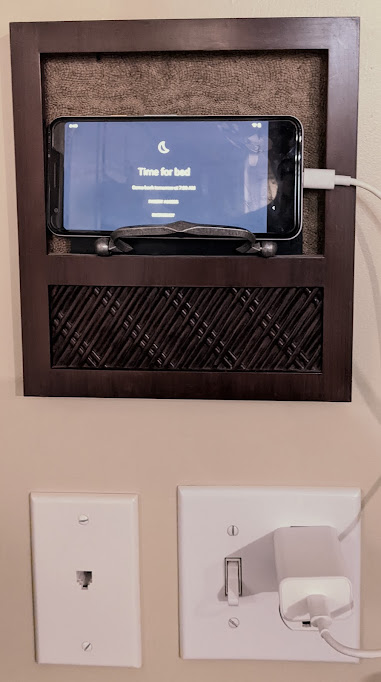
An old picture frame and a drawer pull makes a phone stand/charging port for the kitchen.


Cardboard, burlap, and a frame, is an easy way to create earring storage.


The kids smashed the shade of this lamp. I made a new shade with papier-mâché and acrylic paint, building off the frame of the old shade.

:) So, this is what I do when I’m not doing anything in particular at all. I mend, recycle and make!

What crafty projects do you do?


Tuesday, October 26, 2021

An Open Letter to the Metro Vancouver Board of Directors: Do not further industrialize our protected ecosystems and poison our ocean.


Honourable Councillors, Mayors, and Chief of the MVBD:


This story isn’t mine, but it moves me.


“Bye-and-bye (the two boys) came to a river and walked beside this, following it down until they came to the sea. Now the water was a long way out, and as they walked over the sand, they saw water spurting up all about them. “Look!” said one, “there must be something down there; we will find out what it is!”

They got sticks and scraped away the sand until they came to a large clam. It may be good to eat, they thought, and breaking it open, they tasted it. Ah, it was good! They both began to dig, and very soon had a large pile of clams. They carried them up to the beach and, getting cedar sticks, made a fire and put the clams beside it to cook.

For many months they lived at that place beside the river, always having plenty to eat, for besides the deer they killed, they could always dig clams when the water went out. One day, when the water was very low, they saw something splashing in the river, and, hurrying to look, found more salmon than they could count, swimming up the river. The water was filled with salmon, and more and more were coming, all pushing and fighting to get far up in the fresh water…


… It did not take the boys very long to get back to their old home, for they walked night and day, they were in such a hurry to see their family again. One morning the mother woke to see two young men standing in the door of her little house. “We have come back to you mother!” they called. “We have found a place where food is all about us—no need to hunt for hours for a meal. There is food that you have never heard of—more than a large tribe would need. See, we have brought some of the new food for you to eat.”


This recounting is part of the origin story of the K’ómoks First Nation, written down in a book titled “Two houses, half-buried in sand.” by Beryl Mildred Cryer. This origin story was translated by Mary Rice from an elder from Kuper Island prior to 1932. Cultures - K'ómoks First Nation (komoks.ca)

This story sends a thrill down my spine, for it recounts the plentiful food and fresh water resources of the Georgia Strait before urban, agricultural, and industrial wastewater poisoned our shores. Imagine a beach that delivers miles of fresh shellfish with every ebb of the tide! Imagine a stream so abundant with spawning salmon that you can catch the fish with your hands and toss it up on the river bank!


I appeal to every Mayor and Councillor upon the Metro Vancouver Board of Directors:


Hold this image in your mind as you consider whether to approve the expansion of industrial land across the Urban Containment Boundary. This boundary was set in place to protect the endangered watershed of the TATALU (Little Campbell River). The use of this forested and pastoral area for industry will send an unsustainable burden of contaminated water into the watershed, destroying a critical salmon spawning river and flooding the shores of the Semiahmoo First Nation Reservation.


Don’t let this short-sighted destruction be your legacy. Our waters can be restored. In fact, there are several environmental organizations like the Shared Waters Alliance who have spent the last two decades cleaning and rebuilding our waterways. A return to clam harvesting and a thriving orca population is not impossible. However, the development of this protected land in South Surrey into industrial land will destroy decades of restoration. It will also further directly poison the land and water of the costal Semiahmoo First Nations People, and expose the local municipal governments to litigation. This Wednesday, vote

AGAINST the proposed amendment to the South Campbell Heights Regional Growth Strategy.


Charity Gosling


To learn more about this important vote that will turn protected land into industrial use, and how you can help, go to: 

https://arocha.ca/south-campbell-heights-lap/?mc_cid=d2f156b121&mc_eid=6774f045dd

Saturday, October 16, 2021

A Different Kind of Hurt: The Physical Pain of Mental Injury

https://unsplash.com/@joshuafuller

 A friend once shared that her youngest son was born with a painful yet invisible neurological condition. For years the young boy struggled with excruciating pain. Still, he lacked the language and understanding to communicate what was wrong because the pain was normal for him. It wasn't until the young man reached his early 20s that he gained the insight and language to share his experience and to finally receive treatment.

This story reminded me of my experience of mental illness. I lived with depression and anxiety after the birth of my second child. My brain hurt, but it was unlike any type of pain I'd ever known. I had no similar experience to draw on. I lacked the language to say what was happening. It made it nearly impossible for me to verbalize to myself what was wrong, much less express it to others.

But that didn't mean that my pain wasn't real.

I am so grateful that our culture is beginning to give language and recognition to the pain of mental illness. After a journey of years with metal injury, I now understand that my pain is real because my brain is real. When you bang your shin, you don't need to look to know something is wrong. When something triggers my anxiety, I am now experienced enough to know "'ouch' that hurt! I need to take care of that so I can heal".

But it's still hard to precisely describe the sensation, mainly because, short of using an MRI machine, you can't see the damage and we don’t seem to have the language to communicate exactly what is going on.

Still, I want to try… because my mental pain is a physical sensation that I am learning to identify. The closest way I can describe it is it feels like an aching bruise. I feel it and know that something inside my head just took damage. Some parts of my brain grow foggy, and other parts start to over-fire. Panicking neurons lead to secondary sensations like nausea and a pounding pulse. I may start to blackout. In extreme cases, my nose might even begin to bleed.

I think of medication for mental illness as a supportive cast to protect the damaged areas of my brain and of therapy as rehab to strengthen and protect those areas. With these supports, I can calm and regulate my nervous system when something 'bangs' me mentally. Even better, I have learned that I can protect myself BEFORE mental injury occurs with things like exercise, nutrition, sleep, and journaling.

Do you know what else? Just like no one escapes external injuries on this journey of life, I doubt that any of us totally escape mental injury. A traumatic situation bruises your mind just like a dropped dishwasher door can knock your shins. Some wounds heal quickly. Some can be ignored. Some leave scars that inhibit your original cognitive function. Like external ailments, some mental injuries can heal and others can be even cured. Some mental ailments may presently lack a cure, but the symptoms can, happily, be managed.

Addressing mental pain and seeking out ways to heal just makes sense. We would never demand that someone continue to walk on a broken leg! Would you call an athlete rehabbing an injury weak? Or would you admire the grit it takes to return to health?

If you know what I’m talking about, I want to reassure you: you're not ‘crazy’. The pain in your brain is a symptom of a mental injury. That drowning feeling that cripples you and presses you into the bed? That's not you; it's your injury. There is help. It can get better. 

You are not alone.

Thanks to Dan Meyers @dmey503 for making this photo available freely on Unsplash 🎁


Sunday, October 10, 2021

Dreamscapes

https://unsplash.com/photos/sJGvoX_eVhw?utm_source=unsplash&utm_medium=referral&utm_content=creditShareLink


In my dreams, my family owns a house. The house stands upon the top of a grassy hill like a great wooden ship cresting a wave. The sea is the dreary and complex city pressing up against the hill on all sides, held at bay by a great tall white wall.

This is the home that no one else wanted. When we found it, it had been the ancient squat of a mad hoarder, with piles of garbage up to our necks in every room.

But we loved it. We bought it and began to clean it. As we cleaned, we discovered that beneath the garbage was a vast and dazzling collection of fantastic items from across the entire world. Each room on the second and third floors of this house is dedicated to a different collection.

The home in my dreams is full of wonders. Everything is made of polished gleaming wood. The bay windows in the dining room take the space of an entire wall and somehow always look out onto an endless misty moor. There is always something to repair in this home, and there is always another nook to discover. Usually, these nooks are small sunny spots filled with pillows and books.

The basement of the house is frightening and fascinating. It is the only place in the home that defies order, no matter how hard my lucid dreaming self tries to repair and clear it. The basement is always dimly lit with a maze of ancient clothes from across time hanging on racks. The clothes are beautiful and delicate, and yet they fit poorly and always smell bad. The clothes are the happiest staying where they are.

The basement floor is wet. Beyond the clothes, there is a mountain of rusted and tangled sports equipment, like a hedge of thorns.

If you can make it past the broken sports equipment, you come to a place where you see that the home's foundation is cracked. Above the cracked foundation, there is a large hole rotten through the wooden wall. This hole refuses to be repaired, no matter how I try, and it fills me with unease. I must face the fact that one day my dreams will crumble, and the house will collapse. And maybe we were fools to have bought this home at all.

The hole weeps like an open wound, and it reminds me of the heel of Achilles. Wild dogs, spiders, and raccoons come into the basement through the hole and make nests in the ancient clothes. 

I flee back up to the dining room and try not to think of the hole.

There is a secret elevator in the house. It took some time to find it, and it doesn't always work. But if you can get over the fear of cramped spaces and the possibility that the elevator might get stuck and trap you forever between the house's walls, you can take the elevator to the very secret top floor. 

When you step out of the elevator, you see that half of the top floor opens to a wild alpine rooftop garden. The other half of the secret top floor is cool, white, and metallic. There is a futuristic command interface inside of an egg-shaped room. This room looks like the bridge of a battleship with a large screen and a wide control panel. This is where the greatest secret lies. My wonderful house on the hill doesn't just look like a ship; it IS a ship, controlled by science and magic and a benevolent AI personality.

All you have to do is say the word, and the city around you grows liquid. The house turns into a mighty ship and sails through the world's landscapes as if they were water. You can go anywhere, have any adventure and sometimes even lift up off the earth and sail through the sunrise.

I return to this magical home many nights while I sleep, and the dream builds and shifts. There is a trapdoor leading to a secret underground world. There is a train that circles the base and never lets you leave. There is a room where you can learn magic as long as you never tell anyone else where it is. And gargles. There are gargoyles on the chimney tops...

But I have spent too long in bed. There are chores to be done and people to greet.


"The woods are lovely, dark and deep,   

But I have promises to keep,   

And miles to go before I sleep..."


Sweet dreams.


:)